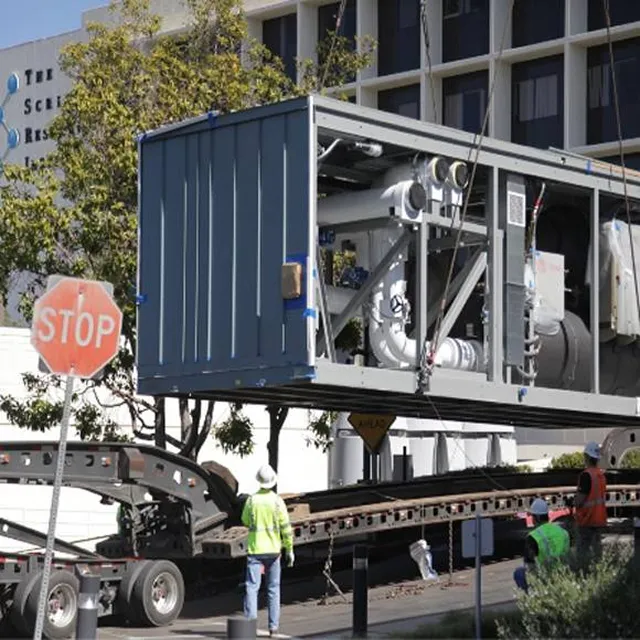
The modular construction industry is projected to grow globally at an annual rate of 6.9%, outpacing the growth of traditional construction. Modular construction has many advantages over traditional building methods, including improved quality control and shorter project durations. Factory-built systems are constructed in controlled environments with equipment and materials that are not feasible at congested job sites, and project schedules can be shortened when factory work and field work are performed in parallel.
However, modular projects may stumble without proper forethought: when fabrication takes place in a factory away from the jobsite, the building officials, inspectors, and engineers can have less oversight and less recourse to implement changes if issues are discovered in the field. Code compliance may also be an issue when systems are designed by factory engineers rather than the engineer of record. To mitigate these potential pitfalls, careful planning is required at the start of the project.
Unlike field-built systems, where the structural system is designed ‘from scratch’ for each project and the materials selected for the project are dependent on local availability, in a modular system the manufacturer already has a carefully configured structural system designed to optimize the performance of the system on a variety of factors including space efficiency, fabrication cost, and constructability.
Rather than selecting the structural system, the structural engineer qualifying the modular system starts by checking the existing system for the required loads and detailing requirements of the local building code, recommending strengthening wherever necessary. Drawings documenting the construction can be produced by the manufacturer or by the structural engineer, or in some cases both. These drawings serve the dual purpose of communicating to factory personnel the construction methods and required details to meet local requirements, and to summarize mandated inspections and observations. Inspection and observation requirements of the International Building Code apply even if the construction is completed thousands of miles from the jobsite.