Volume 56 • 2026
Table of Contents
- 2. CEO Introduction
- 6. Lining and Coatings Degradation Assessments in Supporting Nuclear Power Plant License Renewal Applications
- 8. Reducing Vibration-Induced Stress in Small-Bore Piping Using Damped Support Systems
- 12. Seismic Preparedness for Battery Energy Storage Systems
- 15. Important Considerations for Successful Failure Analyses
- 18. Innovative Seismic Isolation Bearings Strengthen Critical Transportation Infrastructure Across the Pacific Northwest
- 24. Digital Twin for Semiconductor Process Equipment – Potential and Challenges
- 30. Siemens 13.9m2 Disk Bore Keyway Nondestructive Examination Re-development
- 35. Leak-Before-Break and Flaw Tolerance for Advanced Reactors Under RIM Strategy
- 40. From FEED to IFC: Delivering New-to-Site Process Technology on an Accelerated Schedule
- 42. Modernization of a Legacy Cathodic Protection System for Subsequent License Renewal
- 48. Materials Lab Featured Damage Mechanism: Stress Corrosion Cracking in Boiler and HRSG Tubes
- 50. Engineering Critical Assessment of Lap Welds
- 53. Using AI to Unlock Asset Integrity Data — Without Sacrificing Safety, Accuracy, or Future Readiness
- 56. Rapid Recovery: Rebuilding Electrical & Instrumentation Systems After Petrochemical Refinery Fires
CEO Introduction
In this issue’s CEO Message, Mark Marano reflects on a year of significant growth for SI Solutions — three strategic acquisitions, targeted organizational investments, and a sharpened brand identity that puts clearer language to what the platform has always been built to do. From nuclear chemistry and pipeline inspection to process engineering and digital innovation, the additions strengthen an already deep bench. The articles that follow demonstrate that capability in practice across every market SI Solutions serves.


Lining and Coatings Degradation Assessments in Supporting Nuclear Power Plant License Renewal Applications
Internal inspections of piping coatings and linings are required under nuclear license renewal, but depending on system location, they can increase radiation exposure, challenge dose goals, and take safety systems out of service. This article describes SIA’s analytical approach to establishing a technically defensible basis for substituting external wall thickness measurements for internal visual inspections, in compliance with the XI.M42 aging management program requirements of NUREG-2191.
Reducing Vibration-Induced Stress in Small-Bore Piping Using Damped Support Systems
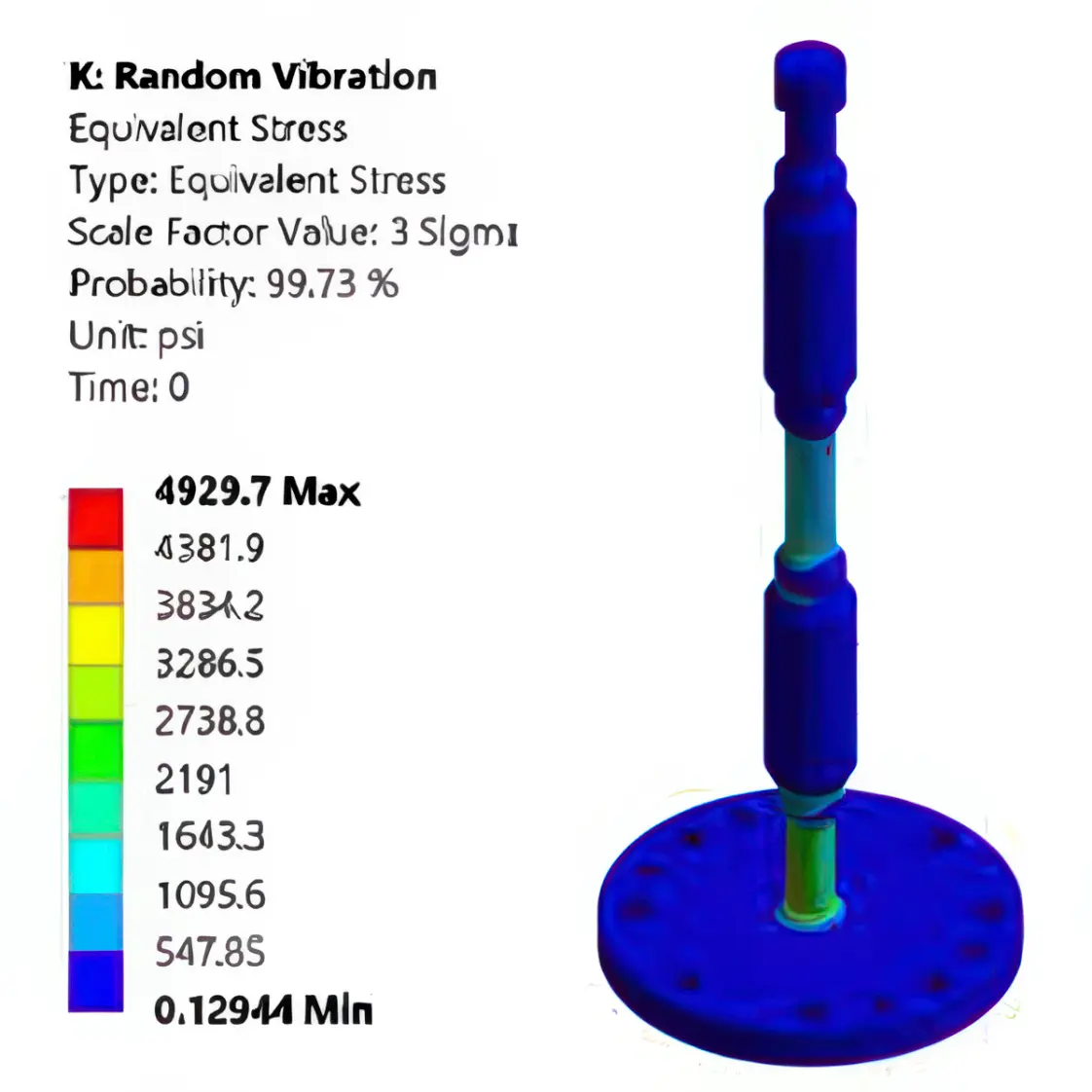
Socket weld failures from vibration-induced fatigue are a persistent challenge in operating plants. This article presents a cone shell support with polymer infill that combines structural stiffening with added damping. Developed through analytical screening and experimental validation with EPRI, the solution reduced vibration by up to 46 percent and cut equivalent stress at critical weld locations by 94 to 95 percent. The design is suited for retrofit applications.
Seismic Preparedness for Battery Energy Storage Systems
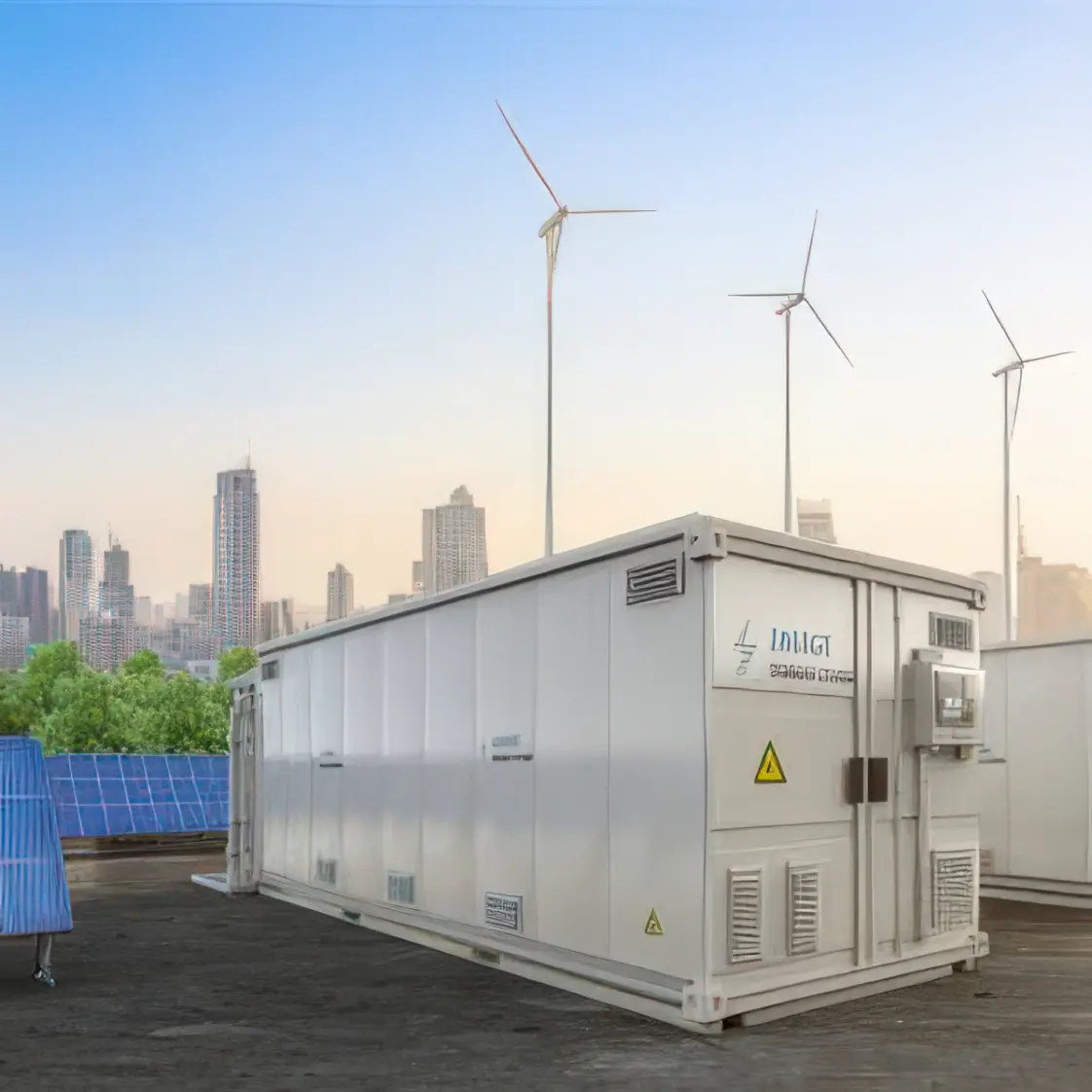
As battery energy storage systems (BESS) expand into seismically active regions, qualification requirements are growing more complex and vary by facility type, site seismicity, and applicable code. This article walks through the performance levels, qualification methods, and key standards governing BESS seismic certification, including IEEE 693, ASCE 7, and California-specific requirements. SIA and its subsidiary TRU Compliance offer turn-key qualification support.
Important Considerations for Successful Failure Analyses
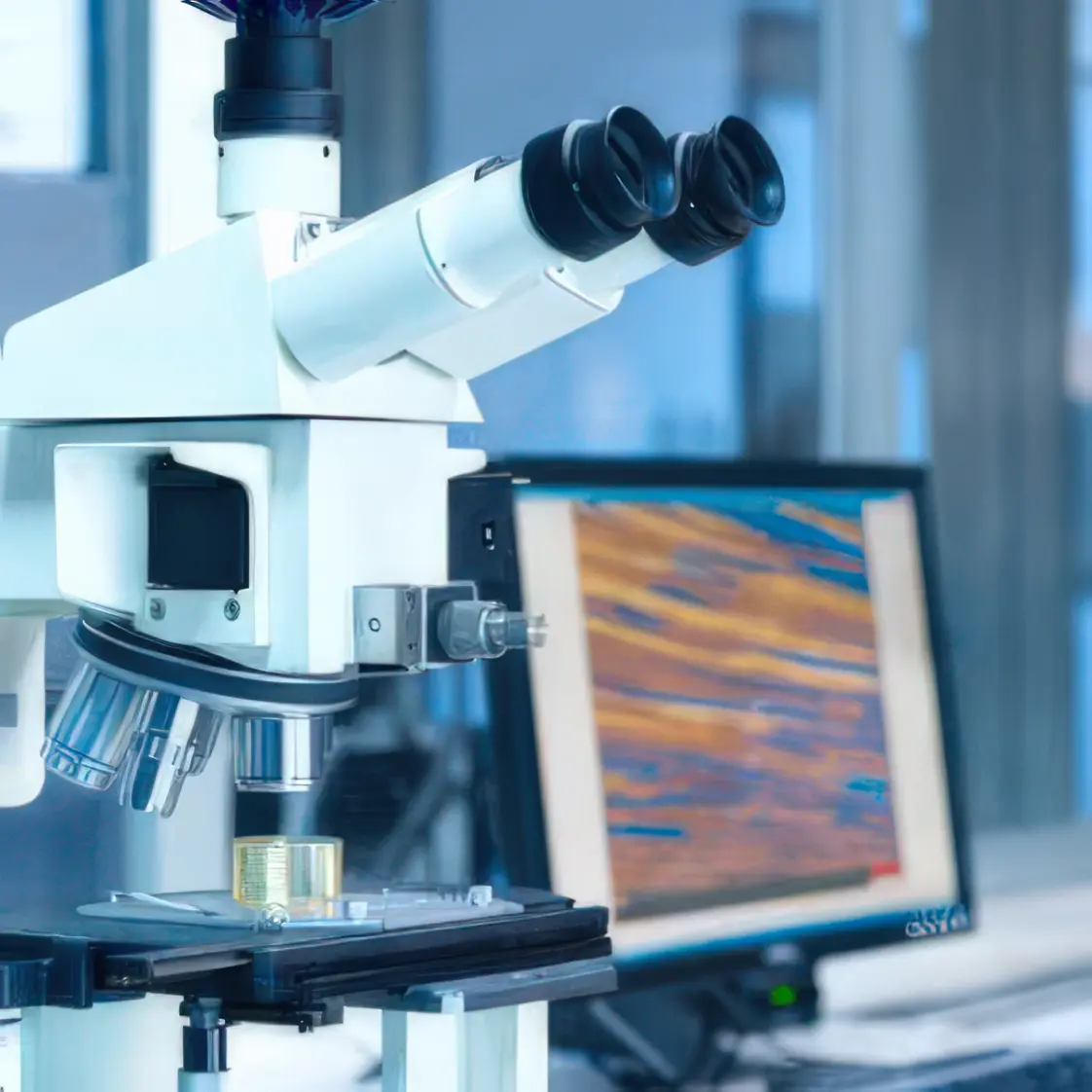
When a component fails, how the failure event is documented and the evidence preserved can be as consequential as the laboratory analysis that follows. This article outlines practical guidance for engineers and plant personnel — from photographing failed components and collecting exemplar parts, to proper sample handling in the lab — to ensure a failure analysis yields defensible findings.
Innovative Seismic Isolation Bearings Strengthen Critical Transportation Infrastructure Across the Pacific Northwest
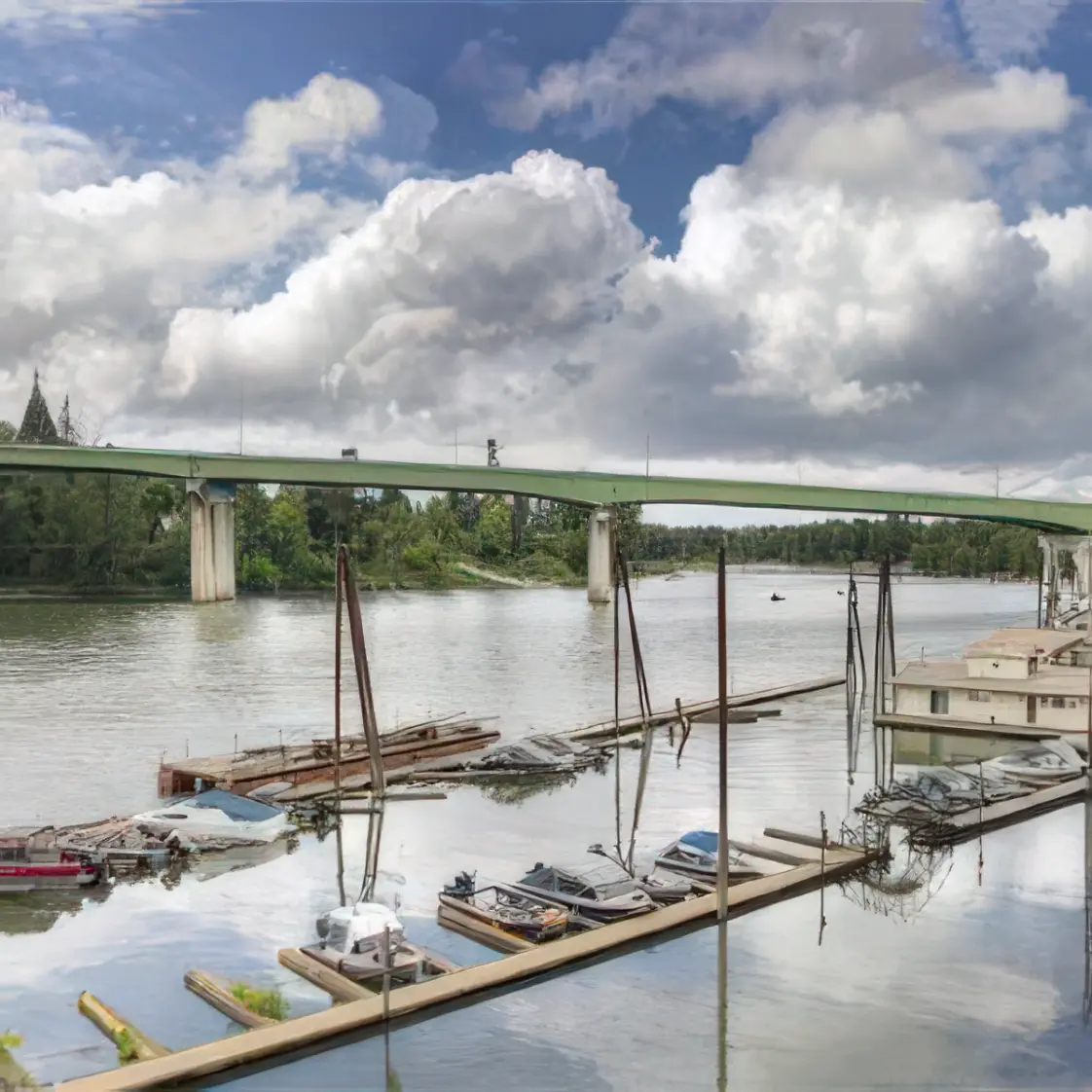
Seismic isolation bearings are well established for protecting bridges from earthquake forces. This article examines two Pacific Northwest transportation projects where SIA applied friction-pendulum isolation technology: a seismic retrofit and widening of the Abernethy Bridge on I-205 near Portland designed to remain operational after a major earthquake, and a world-first track bridge system on Seattle’s I-90 floating bridge, enabling light rail to cross a structure that moves continuously in multiple directions.
Digital Twin for Semiconductor Process Equipment – Potential and Challenges
Semiconductor wafer fabrication demands temperature uniformity tolerances measured in fractions of a degree. This article examines how SC Solutions is applying physics-based digital twin technology to rapid thermal processing equipment, using Kalman filter banks and disturbance observers to detect sensor and actuator faults in real time, enabling predictive maintenance and reducing unscheduled downtime in chip fabrication facilities.

Siemens 13.9m2 Disk Bore Keyway Nondestructive Examination Re-development
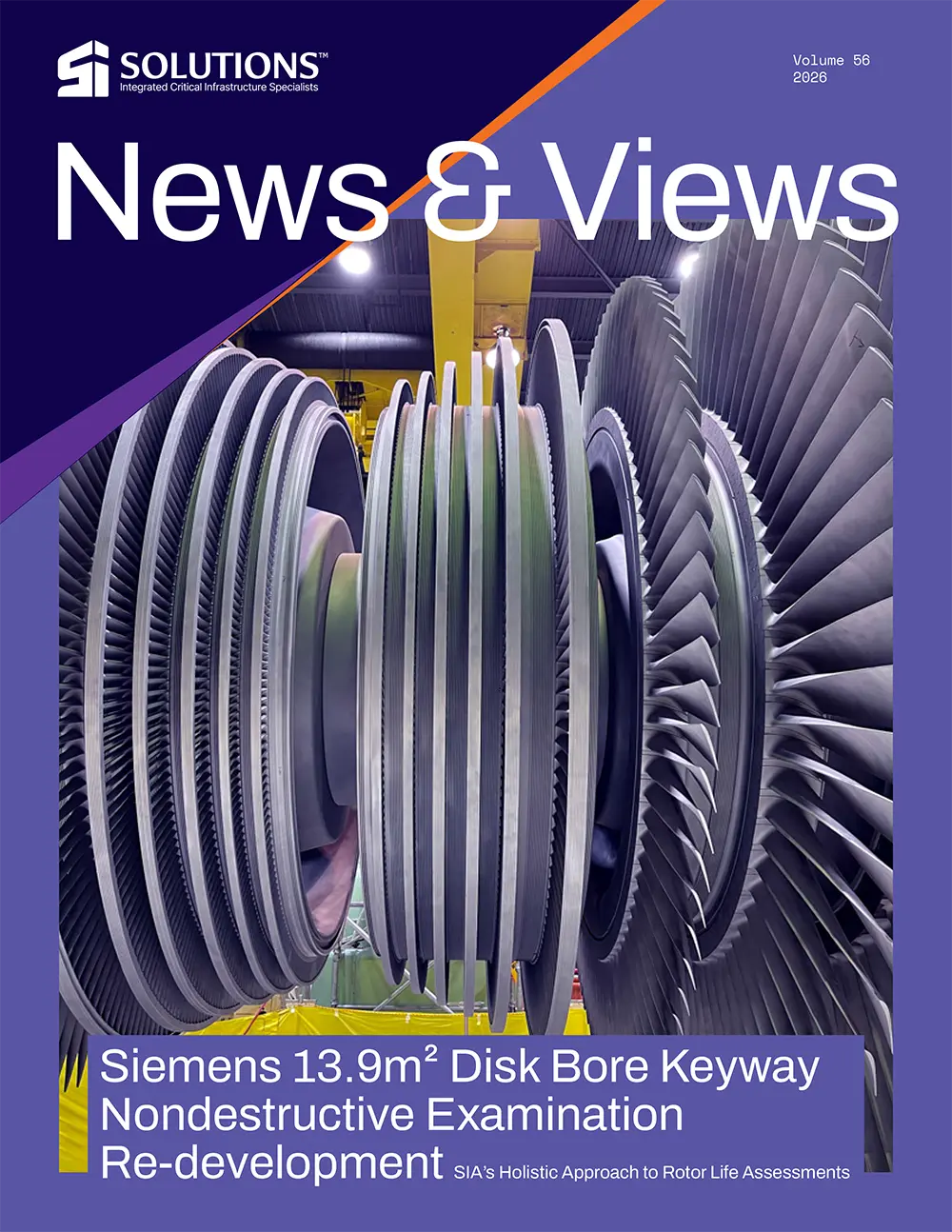
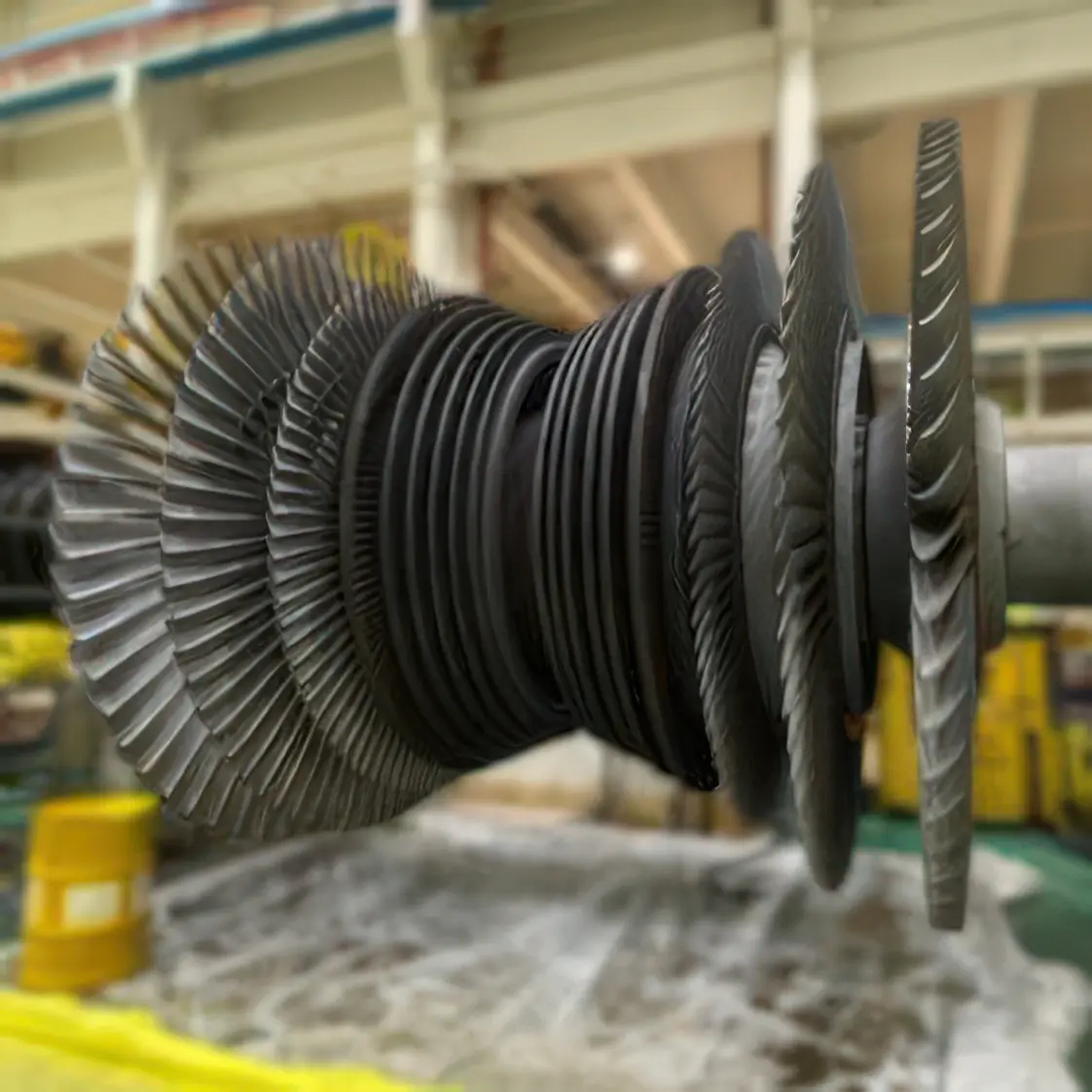
Shrunk-on disk bore and keyway regions on Siemens 13.9m2 low-pressure turbine rotors are vulnerable to stress corrosion cracking but historically difficult to inspect with full coverage. SIA redeveloped its automated phased array ultrasonic testing protocol using advanced CAD modeling and simulation to optimize probe placement and achieve 100 percent disk bore coverage across all six disks without rotor de-stacking. The validated protocol, completed within a predictable five-day outage, supports defensible rotor life assessments for nuclear utilities.
Leak-Before-Break and Flaw Tolerance for Advanced Reactors Under RIM Strategy
As small modular reactors and other advanced nuclear concepts move toward licensing and deployment, demonstrating structural reliability under the ASME BPVC Section XI, Division 2 Reliability and Integrity Management framework is increasingly critical. This article outlines how flaw tolerance analysis and Leak-Before-Break assessments, supported by SIA’s fracture mechanics tools and active participation in the ASME Code, provide the technical foundation for confirming component reliability.
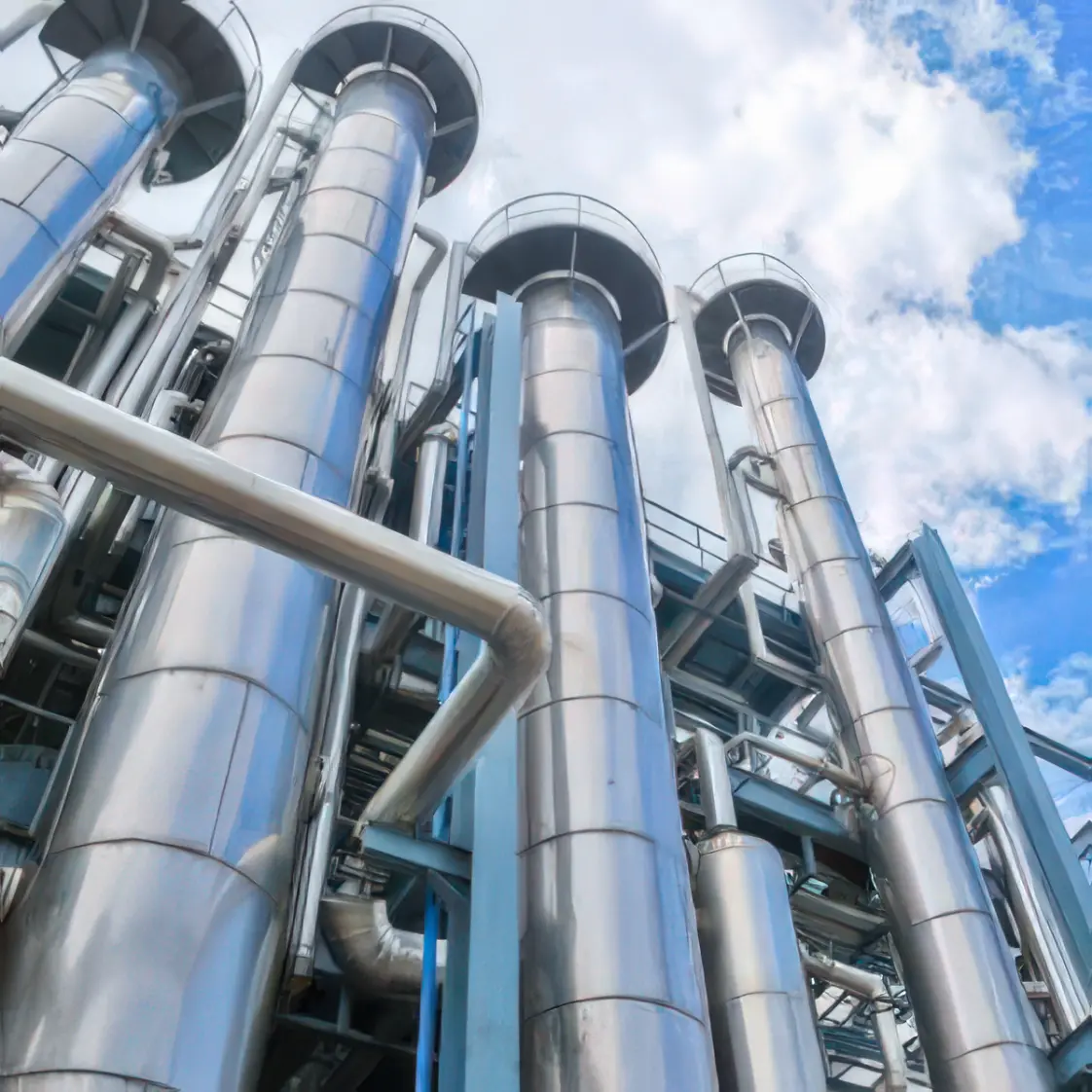
From FEED to IFC: Delivering New-to-Site Process Technology on an Accelerated Schedule
Introducing a process technology that has never been used at a facility demands more than standard engineering execution — it requires careful integration of new and existing equipment, multidisciplinary coordination, and the ability to maintain momentum under schedule pressure. This article describes how C2C Technical Services guided a Houston chemical plant from FEED through construction-ready deliverables, incorporating 3D laser scanning, controls design, and new structural elements while the facility remained in operation.
Modernization of a Legacy Cathodic Protection System for Subsequent License Renewal
Nuclear plants pursuing subsequent license renewal must demonstrate that buried piping and tanks will remain protected through an extended operating period. This article details how SIA evaluated and upgraded the underperforming CP system at Xcel Energy’s Monticello Nuclear Generating Plant, combining historical data review, field testing, and a hybrid impressed current design to raise protection coverage from roughly 50 percent to more than 85 percent without full system replacement.
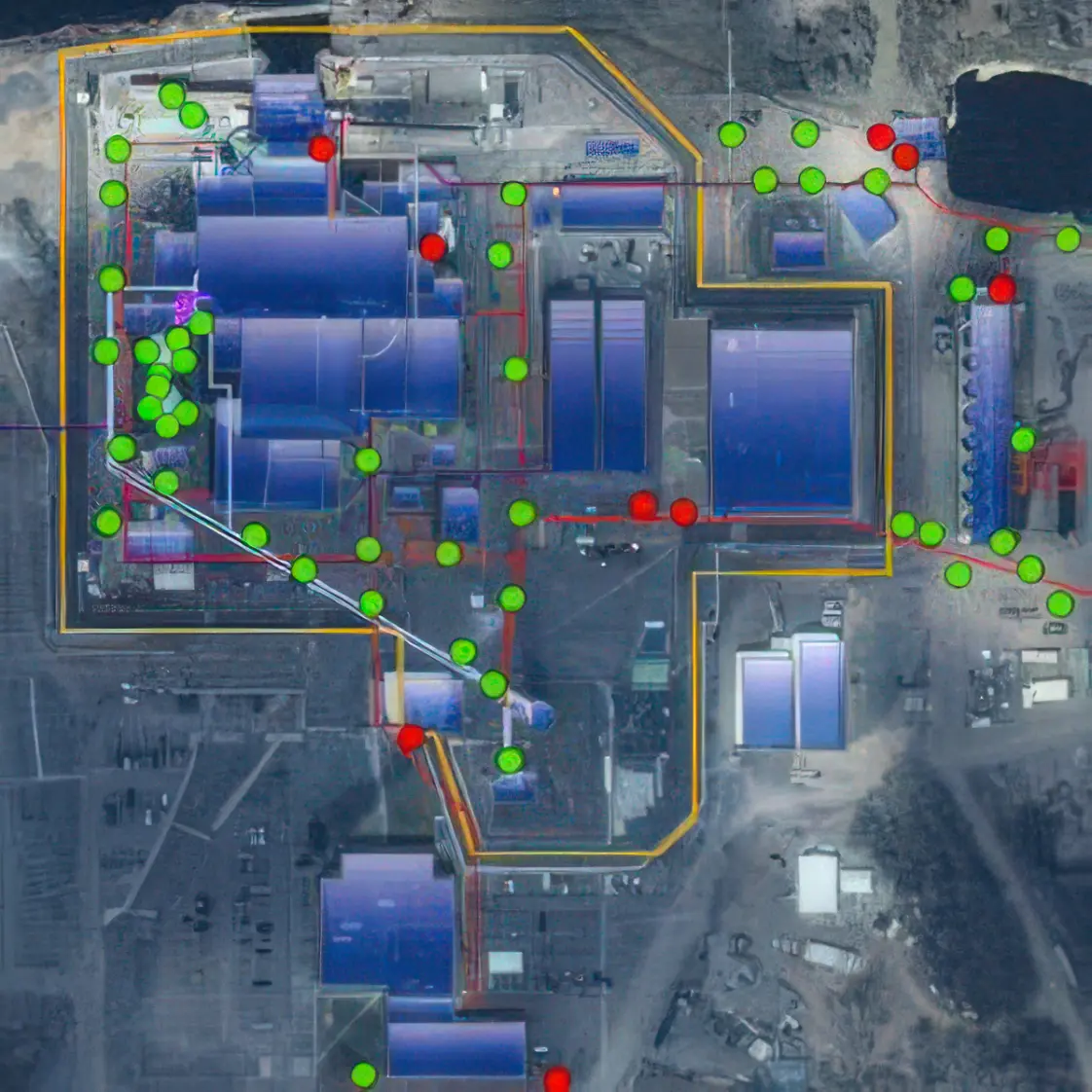
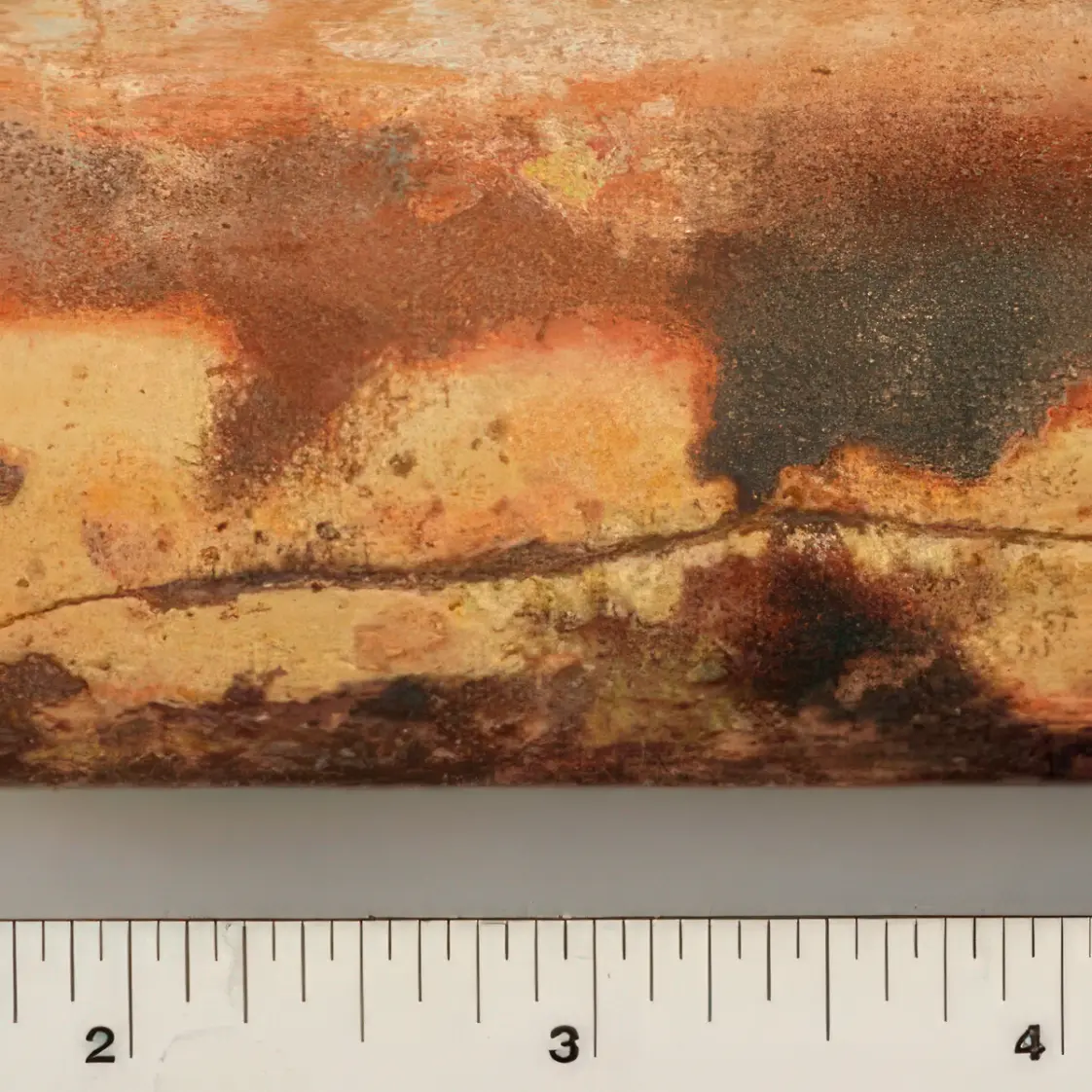
Materials Lab Featured Damage Mechanism: Stress Corrosion Cracking in Boiler and HRSG Tubes
Stress corrosion cracking is among the more insidious damage mechanisms in boiler and heat recovery steam generator tubing — by the time the first leak appears, many tubes in the same circuit have often already sustained damage. This article examines the conditions required for SCC to develop, typical failure locations, and characteristic features that aid identification.
Engineering Critical Assessment of Lap Welds
Lap-welded pipe, primarily manufactured in the 1920s and 1930s, carries inherent manufacturing defects that conventional inspection techniques struggle to adequately assess. Working with PG&E, SIA developed a first-of-its-kind ECA methodology that combines fracture mechanics analysis and a customized phased array ultrasonic inspection protocol to evaluate these legacy assets under 49 CFR Part 192, providing a defensible alternative to full pipe replacement or hydrostatic retesting.
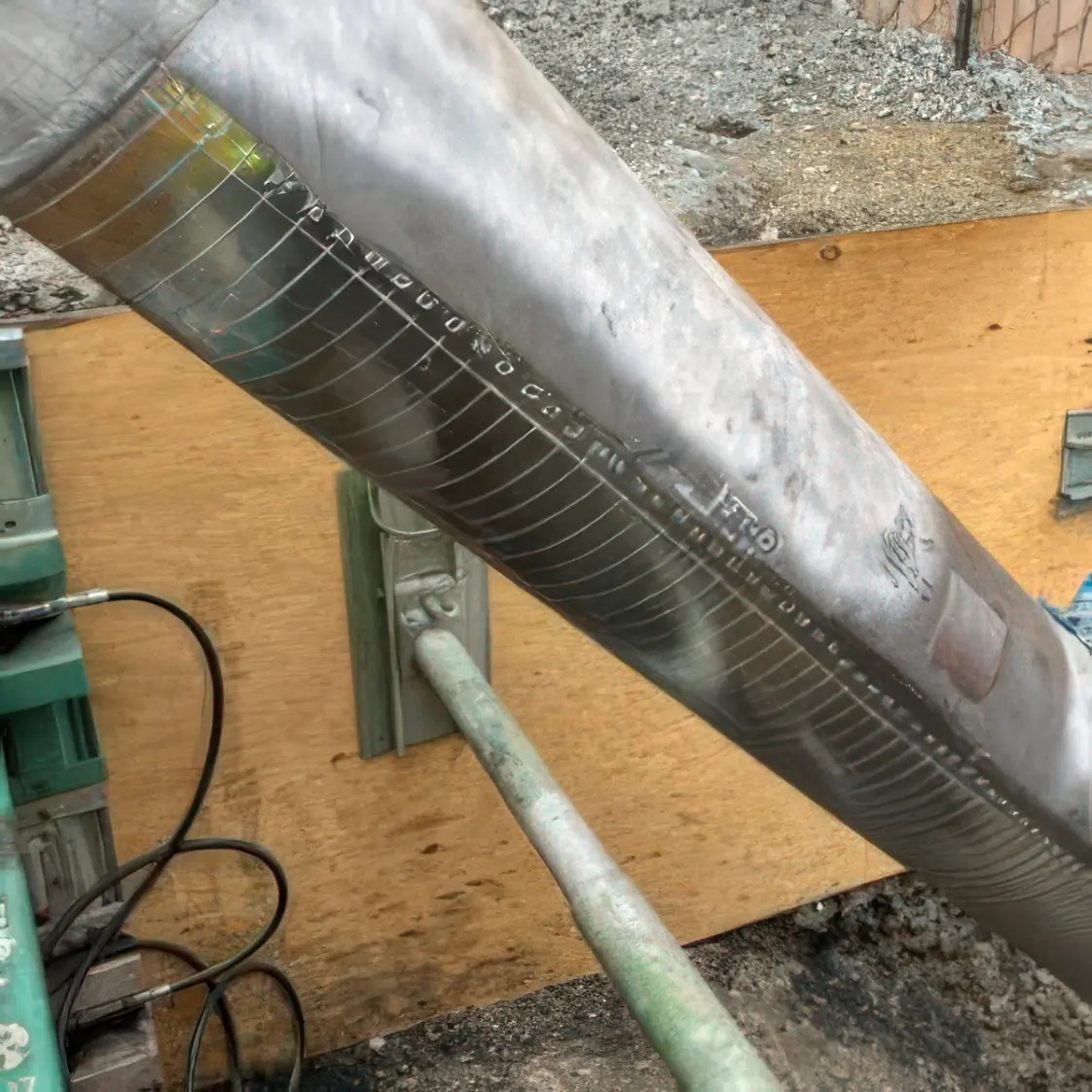

Using AI to Unlock Asset Integrity Data — Without Sacrificing Safety, Accuracy, or Future Readiness
Decades of inspection records, scattered across inconsistent formats, create serious data management challenges for asset-intensive facilities. This article presents a framework for applying AI responsibly across asset integrity programs, using it to extract and structure legacy inspection data while simultaneously capturing new data digitally, creating a validated single source of truth. Engineering accountability is preserved throughout: AI surfaces and organizes data, but qualified engineers retain responsibility for every safety-critical decision.
Rapid Recovery: Rebuilding Electrical & Instrumentation Systems After Petrochemical Refinery Fires
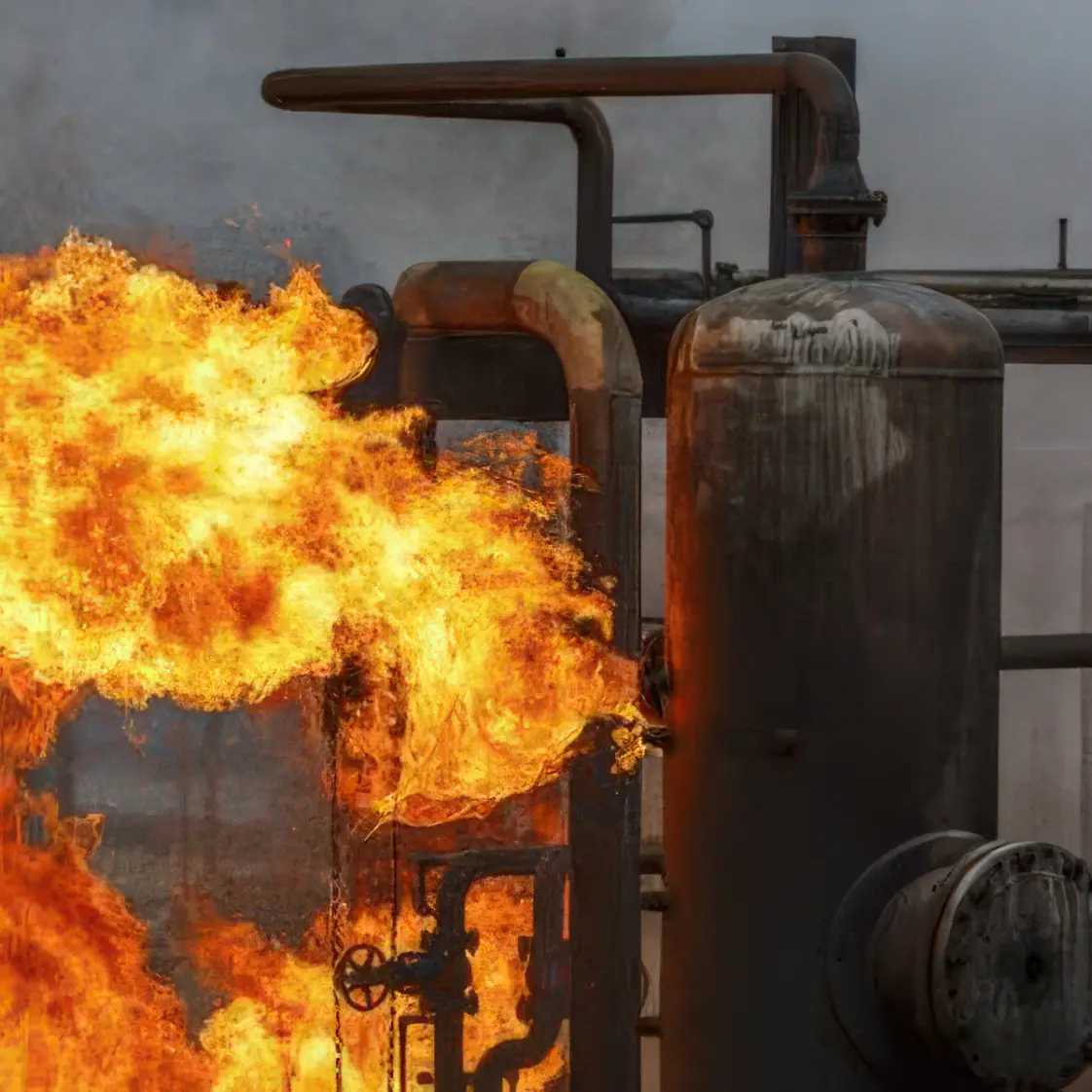
Fires in petrochemical facilities damage far more than what is immediately visible. This article draws on several recent Gulf Coast recovery projects to illustrate how C2C Technical Services combines rapid field mobilization with concurrent engineering support to develop replacement designs, revise documentation, and execute construction to restore electrical and instrumentation infrastructure for safe operation of critical process units.